
From Confusion to Clarity: Visual Paths That Solve Problems

Why Visual Logic Works
Cognitive Relief Through Branching Choices
Branching reduces overload by separating possibilities into digestible paths, letting the mind evaluate one slice at a time. Instead of ruminating in circles, you inspect conditions, follow consequences, and compare outcomes, steadily building clarity without sacrificing nuance or important exceptions.
Shared Diagrams, Shared Understanding
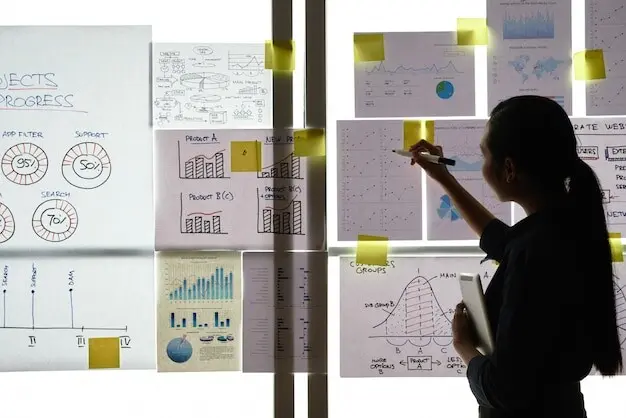
When everyone can point to the same diagram, debates shift from opinion to evidence. Teams trace arrows, annotate uncertainties, and test ideas by walking imaginary cases. Miscommunications shrink because symbols, branches, and decision points consistently encode intent, rules, thresholds, and responsibilities.
From Abstract to Actionable
A vague problem becomes tractable when translated into explicit conditions, gateways, and end states. Unclear phrases like better quality transform into measurable criteria, deadlines, and owners. The drawing invites experiments, reveals data gaps, and turns stalled conversations into concrete, prioritized next steps.

Start with a Well-Formed Question
Define Inputs, Constraints, and Success
List available data sources, precision limits, deadlines, budgets, and compliance boundaries. Agree on what winning means in measurable terms, including trade-offs you are willing to accept. Clear definitions prevent endless branching and keep the diagram tethered to real-world accountability and value.
Expose Assumptions Before You Draw
Write down guesses about user behavior, system latency, costs, and exception frequency. Mark items as beliefs, not facts, until validated. By separating assumptions from rules early, you avoid embedding wishful thinking inside arrows and boxes that later masquerade as unquestioned truth.
Choose Tree or Flowchart First
Prefer a decision tree when uncertainty dominates and branching on criteria guides choices. Prefer a flowchart when sequencing steps, handoffs, or loops matters most. Both can complement each other, but starting with the dominant need accelerates clarity and simplifies collaboration.

Building Robust Decision Trees

Designing Flowcharts People Actually Use

Tools, Templates, and Collaboration
From Diagram to Decision
Run Better Meetings With Visual Agendas

Measure Results, Update Branches