
Make Sense Faster with Concept Maps

Today we explore using concept maps to organize and integrate knowledge across disciplines, projects, and everyday learning. You will see how visual propositions, cross-links, and concise linking phrases transform scattered notes into coherent structures that strengthen memory, reveal gaps, and accelerate problem solving. Expect practical steps, vivid examples, and collaborative tips you can apply immediately. Share your favorite map examples in the comments and subscribe for new mapping patterns, exercises, and community challenges.

Why Mapping Works: Brains, Meaning, and Memory

{{SECTION_SUBTITLE}}
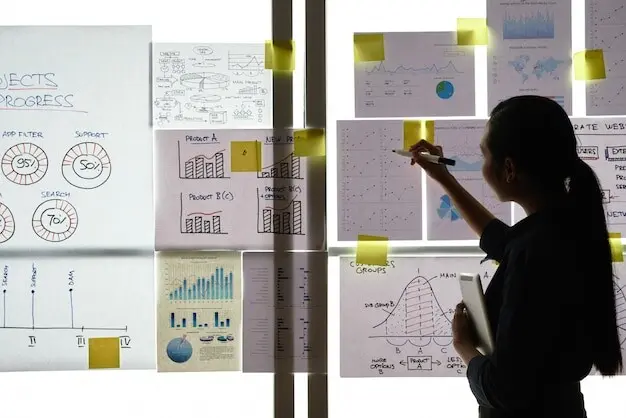
From Lists to Linked Ideas
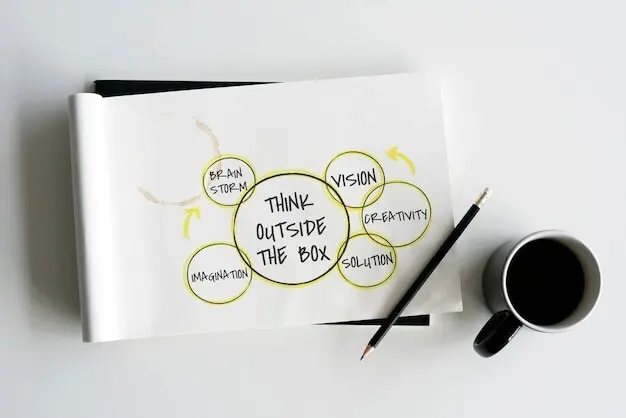
Linear outlines feel safe but hide relationships that actually drive understanding. By turning bullet points into nodes with clear linking phrases, you reveal cause, contrast, precondition, and evidence. This networked view exposes gaps, reduces duplication, and invites creative cross-connections you would miss in purely sequential notes.

A Brief Origin Story

Developed in the 1970s by Joseph D. Novak and colleagues studying children’s understanding of science, concept maps expressed knowledge as propositions connecting concepts with linking phrases. Their research emphasized meaningful learning over rote memorization, inspiring generations of educators, engineers, and students to externalize understanding and refine it collaboratively.

Start Strong: Tools, Symbols, and First Connections

Getting started is easier than it looks. You need a handful of core concepts, a few action-oriented linking phrases, and a willingness to sketch imperfectly. Whether you choose pen and paper or a digital tool, thoughtful constraints help you iterate, discuss, and converge on clearer propositions rapidly.

Taming the Literature

Skim abstracts to identify anchor concepts, map methods to outcomes with explicitly labeled reasoning, and connect citations that strengthen or contradict findings. As the network grows, clusters reveal consensus, outliers, and unanswered questions, guiding deeper reading and preventing duplicated effort during reviews, proposals, or writing sprints.

Lecture to Map Pipeline

Right after class, list key ideas from memory before checking notes. Build propositions linking principles to examples, assumptions to limitations, and formulas to conceptual interpretations. This active reconstruction strengthens retrieval paths and highlights uncertainty, turning review time into deliberate practice rather than passive re-reading or highlighting.

Experience Anchors Understanding

Add concrete episodes from projects, labs, internships, or daily life as examples that ground abstractions. When a node connects to a story you lived, recall becomes easier and transfer more likely. Encourage peers to contribute their cases, building shared memory that spans roles, contexts, and future challenges.

Cross-Links that Spark Insight

Do not limit connections to parents and children. Draw lateral links that express causality, trade-offs, analogy, or dependency across branches. These bridges often generate aha moments, revealing leverage points where small changes cascade widely, or hidden constraints that quietly explain stubborn failures and recurring error patterns.

Zoomable Hierarchies and Chunking

Group related nodes into meaningful clusters with succinct labels, then collapse them when navigating. This creates layers that match human working memory limits and enables quick shifts between overview and detail. As clusters stabilize, you gain reusable modules that transfer cleanly into new projects and lessons.

Multiple Perspectives in One View

Invite rival explanations to coexist by mapping them as distinct branches connected through evidence, assumptions, and implications. This makes disagreements inspectable rather than personal, and equips teams to compare trade-offs explicitly. Balanced visibility nurtures intellectual humility and invites contributions from quieter voices who notice overlooked alternatives.

Design Workshops that Energize

Begin with quiet individual sketching to surface diverse angles, then merge, cluster, and label together. Alternate between divergence and convergence. Timebox debates by writing alternative links instead of arguing. End with clear owners for unresolved questions and follow-ups, preserving momentum and psychological safety for future sessions.

Feedback that Sharpens Thinking

Ask reviewers to read links aloud as sentences, mark ambiguous phrasing, and suggest stronger verbs. Encourage questions that probe evidence and scope. Treat disagreements as hypothesis tests: add branches, connect data, and schedule a revisit. This process strengthens reasoning while modeling respectful, curiosity-driven collaboration for everyone involved.

Versioning and Change Logs

Keep snapshots with dates and short notes describing why links moved, clusters split, or definitions changed. Visibility of change supports accountability, strengthens institutional memory, and accelerates onboarding. When newcomers see evolution, they grasp nuance faster and feel confident proposing edits that continue the conversation thoughtfully.

Spaced Revisit Rituals

Schedule quick reviews at increasing intervals, scanning for weak links and outdated claims. Read propositions aloud, compare against fresh evidence, and add anchors from recent work. These small cycles compound retention and ensure your understanding keeps pace with changing tools, teams, and realities beyond the classroom or sprint.
Lentolumadaritavonarivelto
Privacy Overview

This website uses cookies so that we can provide you with the best user experience possible. Cookie information is stored in your browser and performs functions such as recognising you when you return to our website and helping our team to understand which sections of the website you find most interesting and useful.